

Plants
Complete supply of water treatment plants, both for primary/drinking water and wastewater/livestock manure and digestates
Reverse osmosis and beyond...
Engineering and supply of water plants
Engineering and supply of machinery, plant and/or equipment for the concentration of manure and digestate
Mobile or fixed systems for small flowrates.
our standard models are:
ultrafiltration at low pressure for flowrates up to 500 litres/hour, with or without pretreatment
ultrafiltration at low pressure for flowrates up to 1000 litres/hour, with or without pretreatment
reverse osmosis at low/medium pressure for flowrates up to 500 litres/hour, with or without pretreatment
reverse osmosis at low/medium pressure for flowrates up to 1000 litres/hour, with or without pretreatment
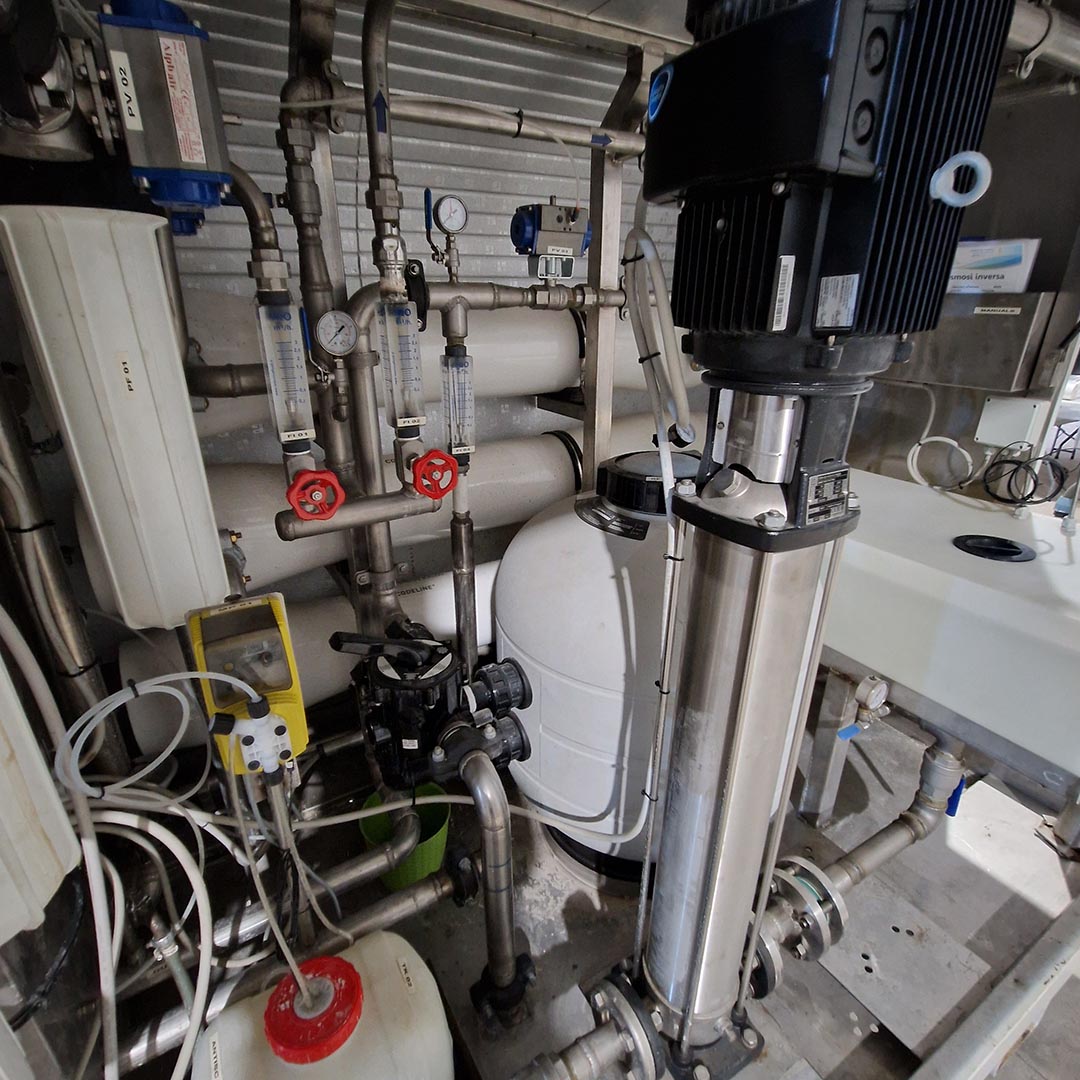
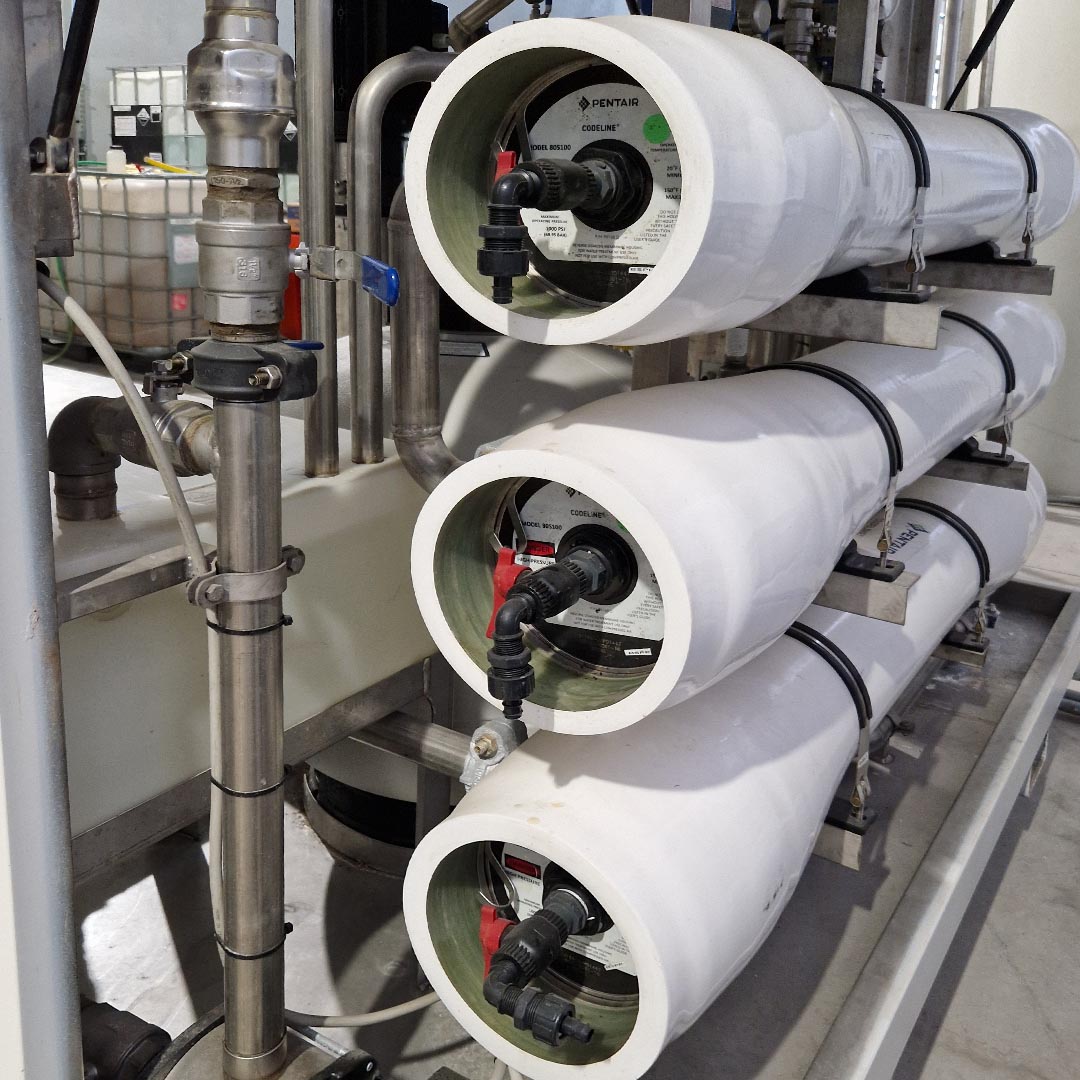

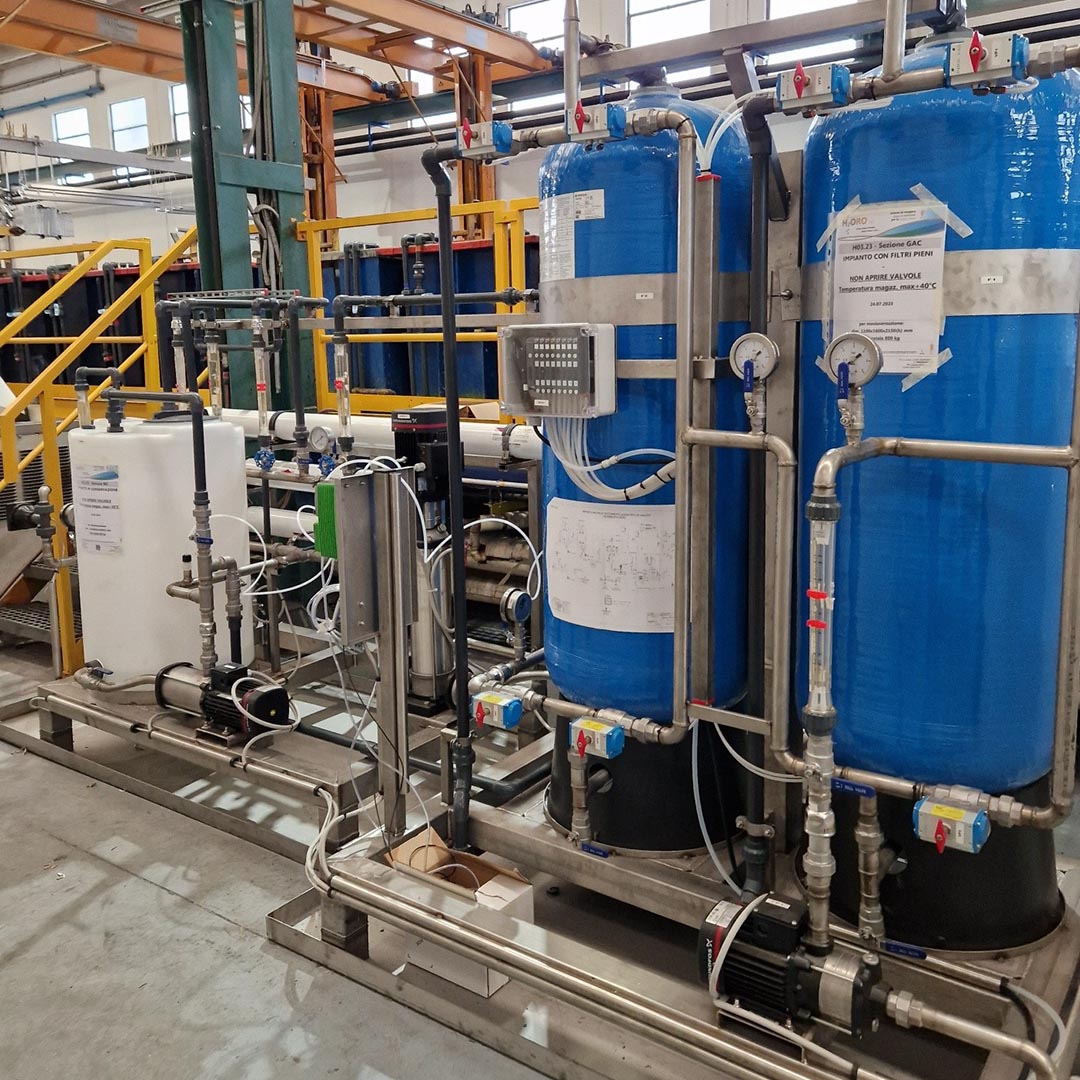
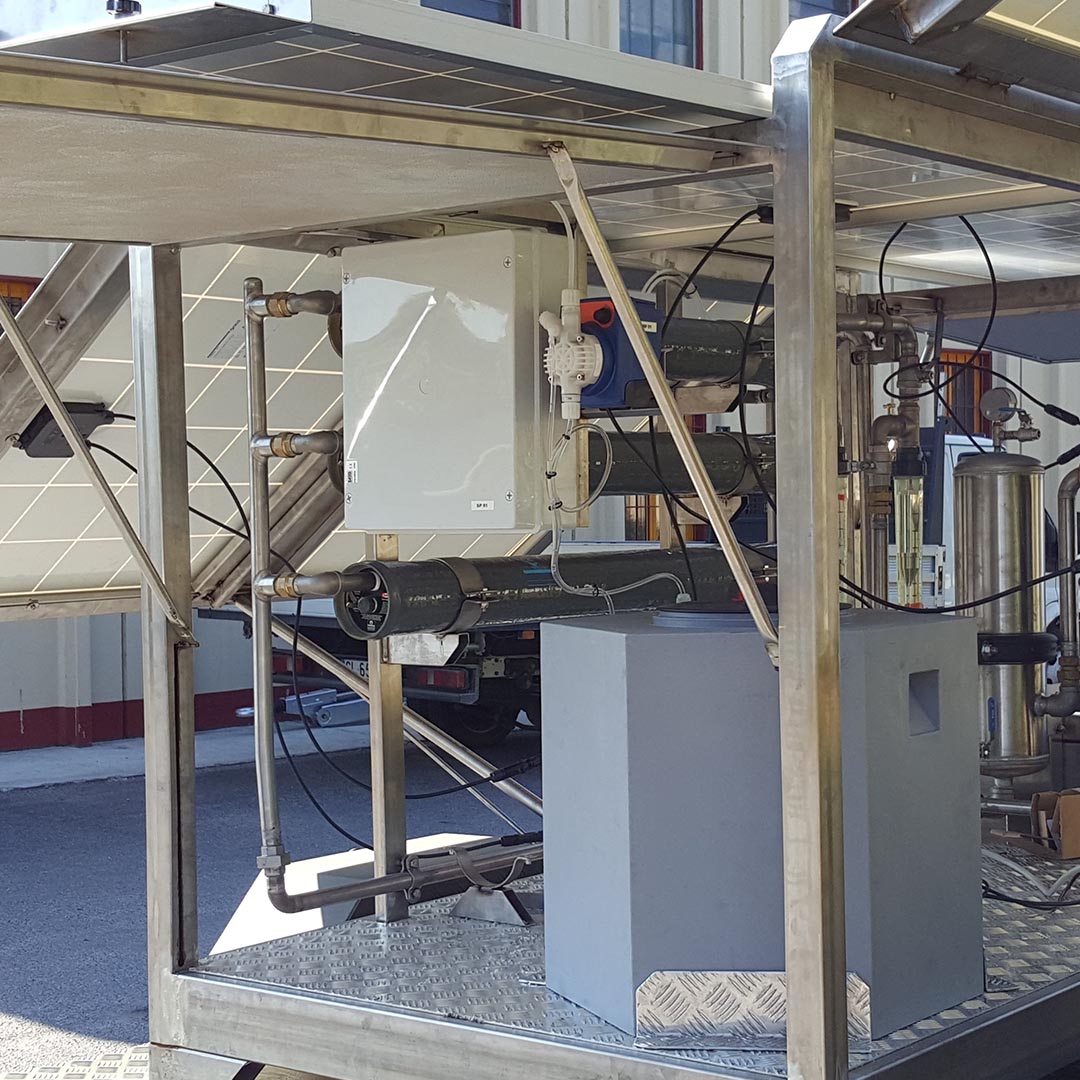
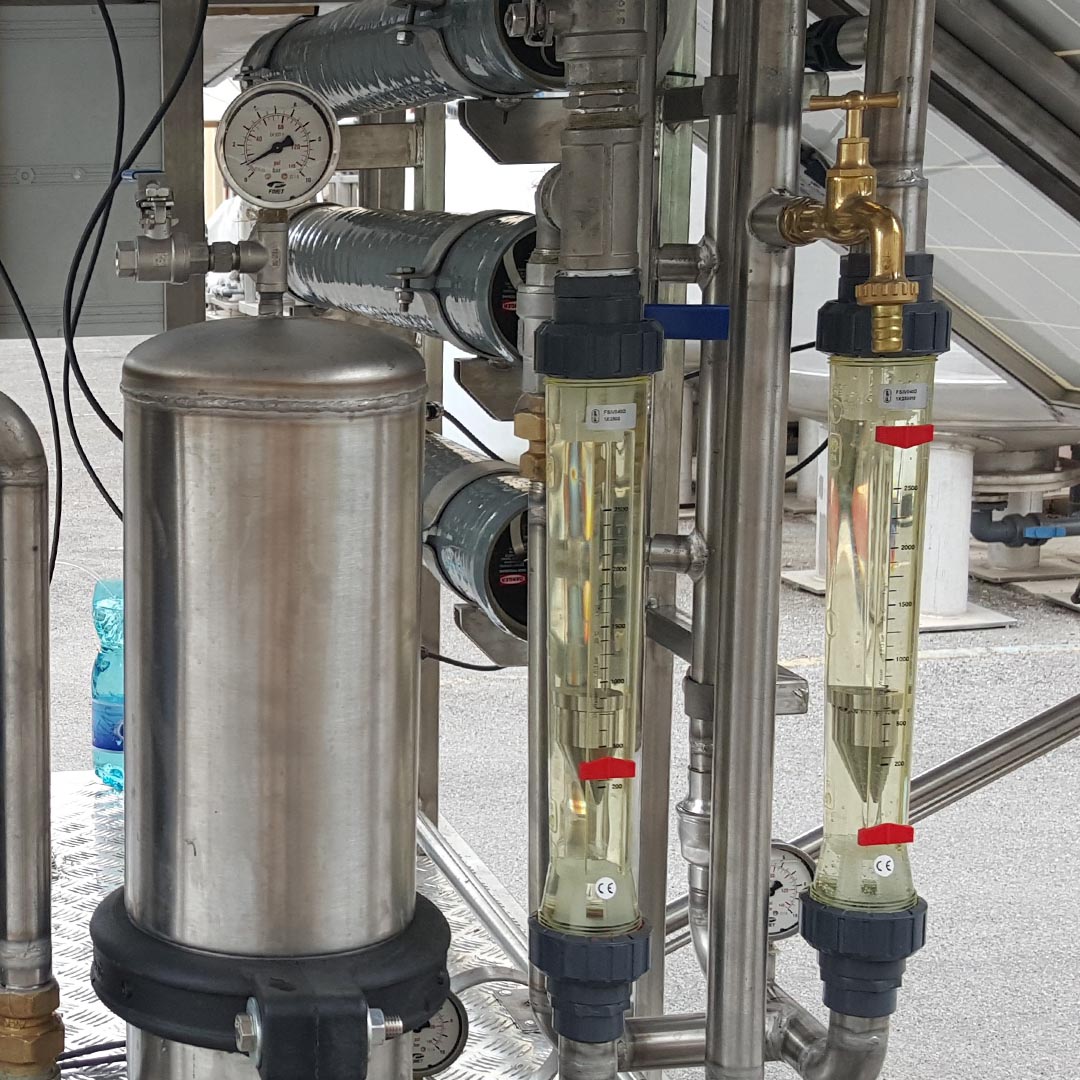
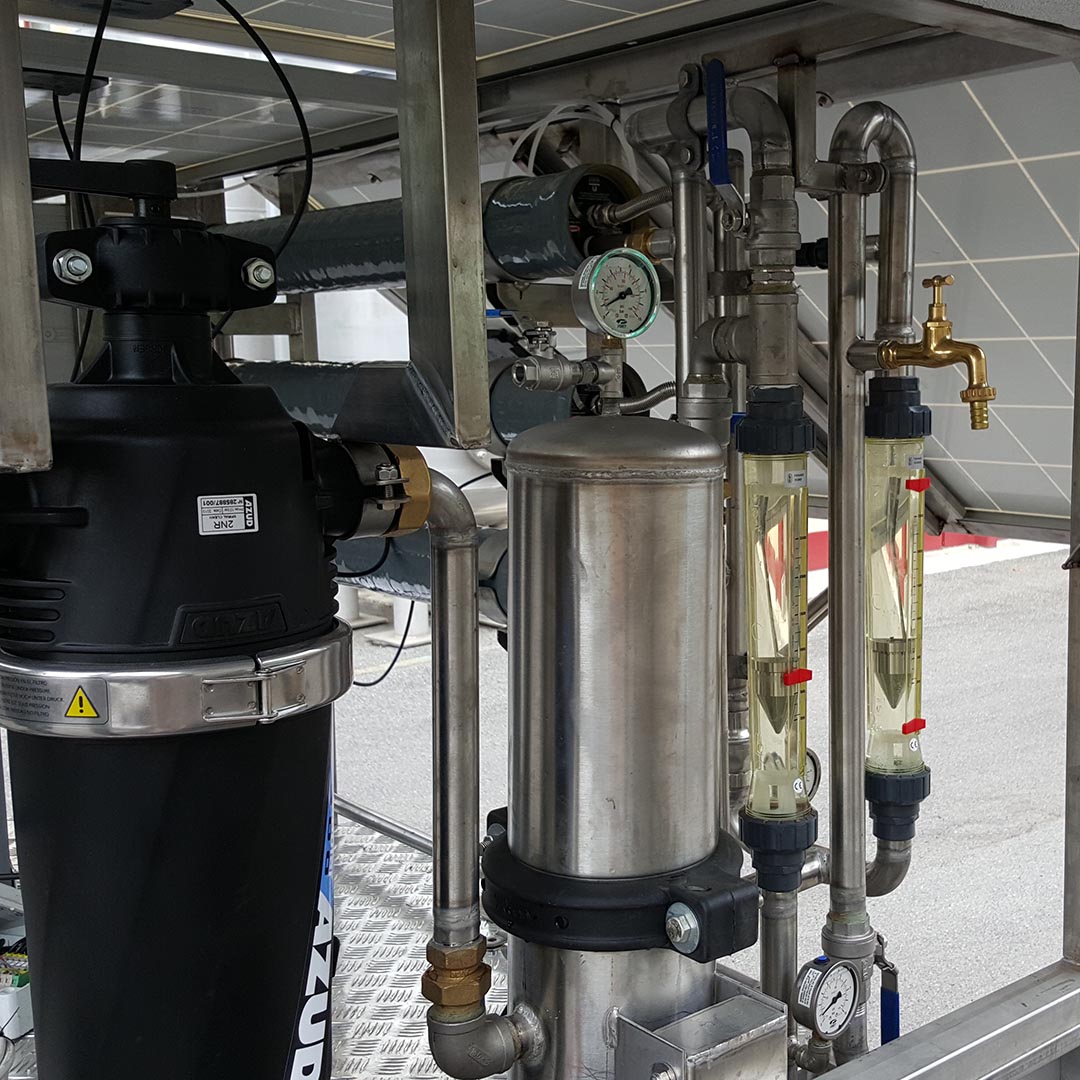
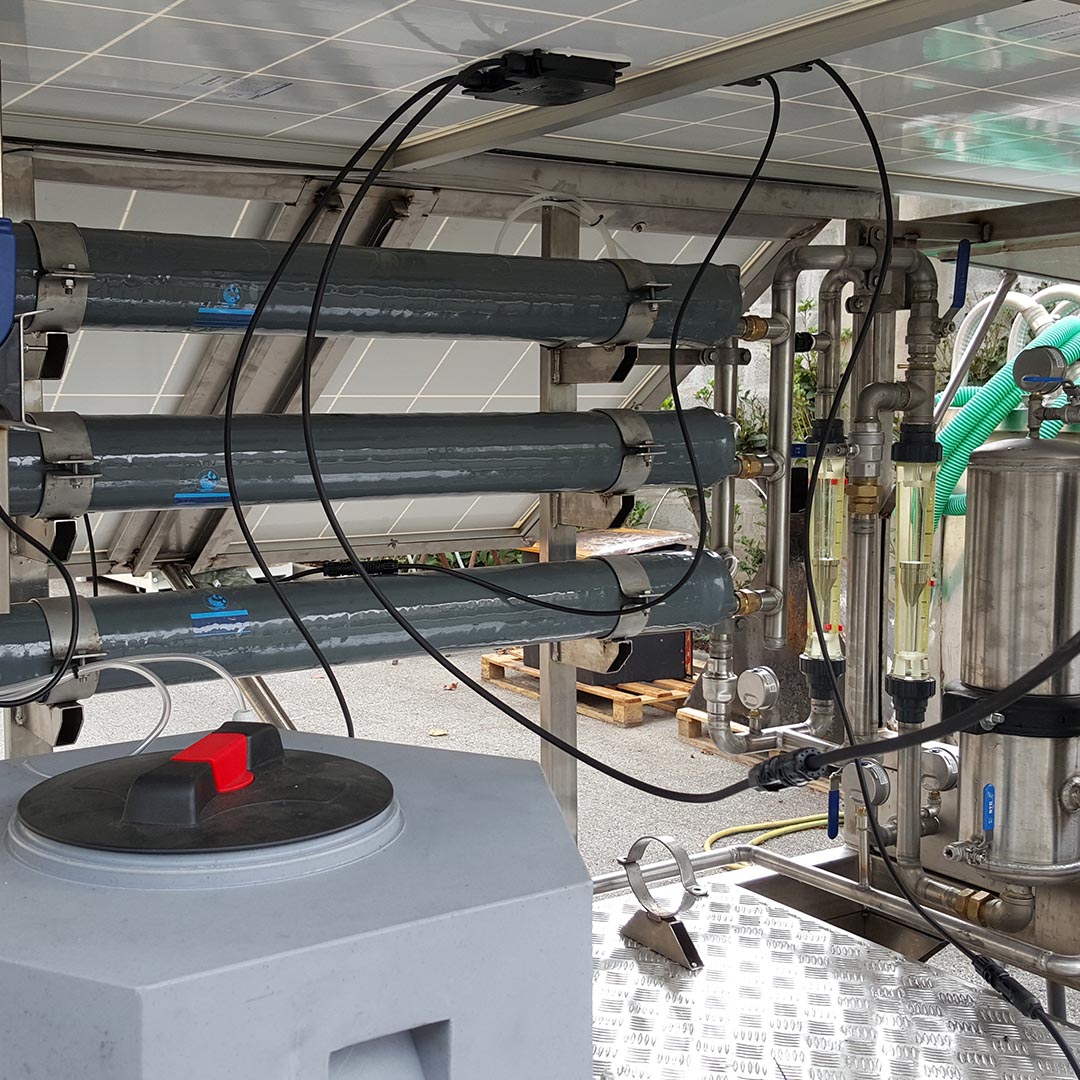
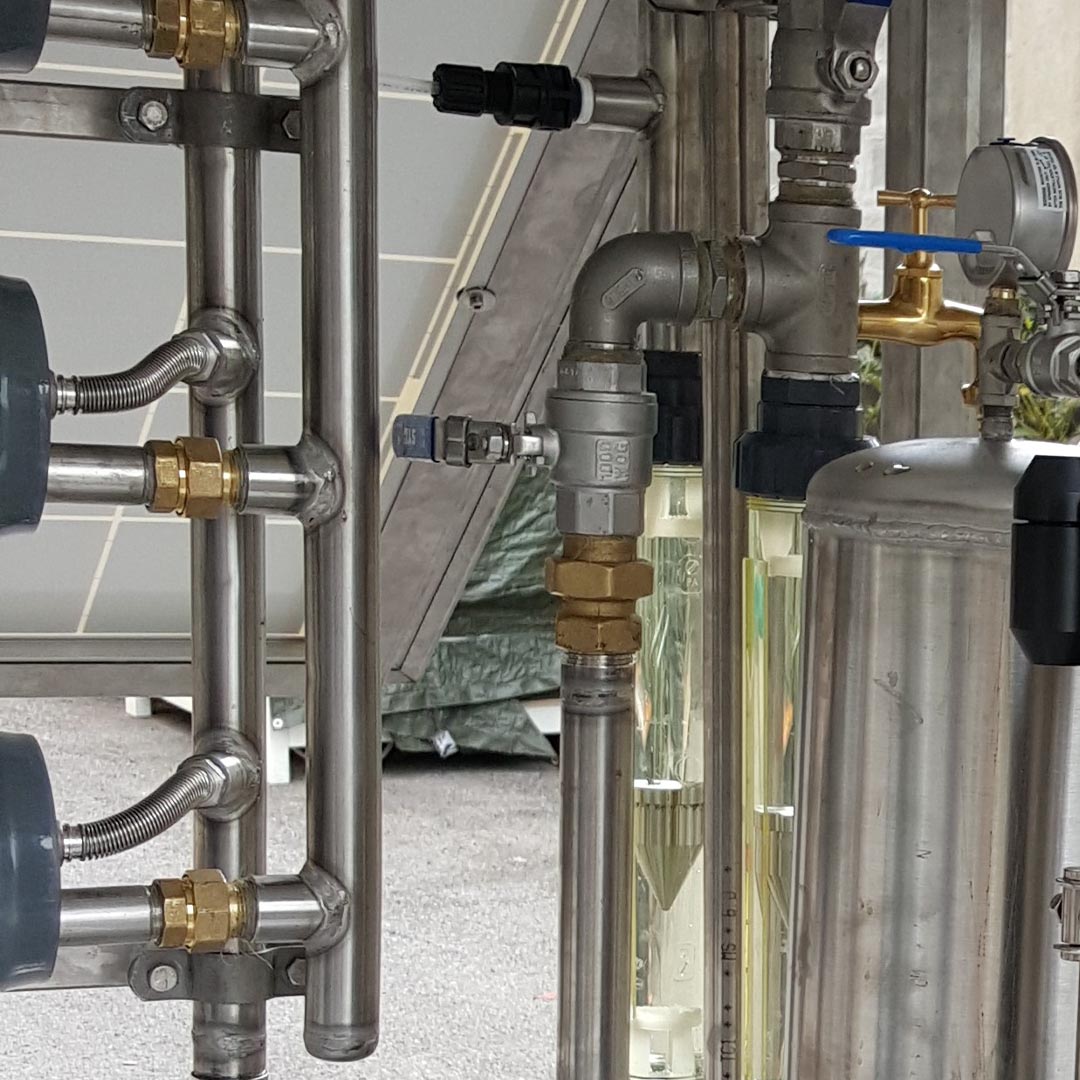
As a suitable complement to small-capacity ultrafiltration (UF) and reverse osmosis (RO) systems, H2ORO offers the supply and installation of bottling and final purification systems for treated water, perfect for obtaining a winning combination for small users, tourist villages, resorts, catering facilities or for any work site of a certain size where to supply healthy, quality and pleasant-to-drink water in various forms: these are the H-BUP Units, find out what they are HERE
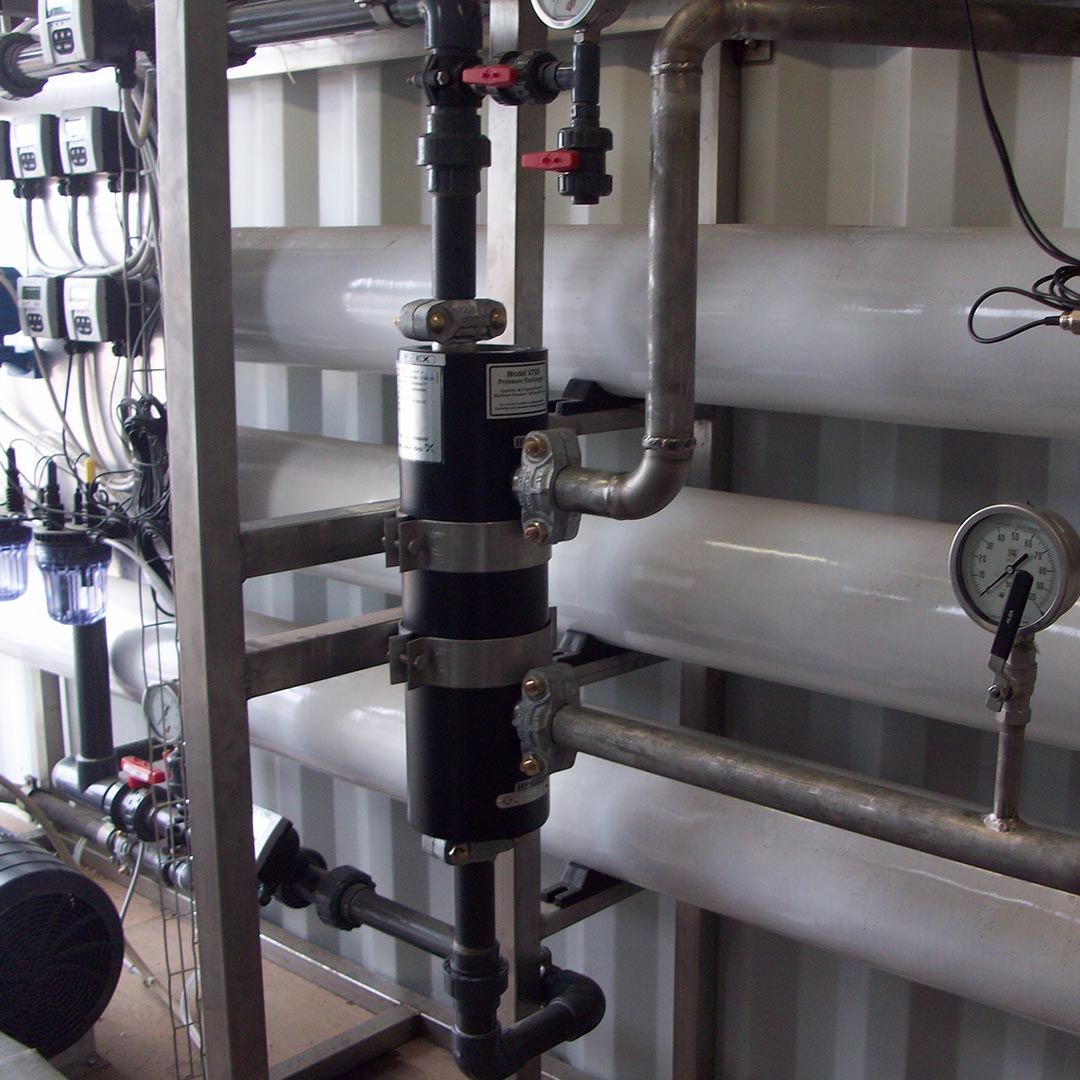
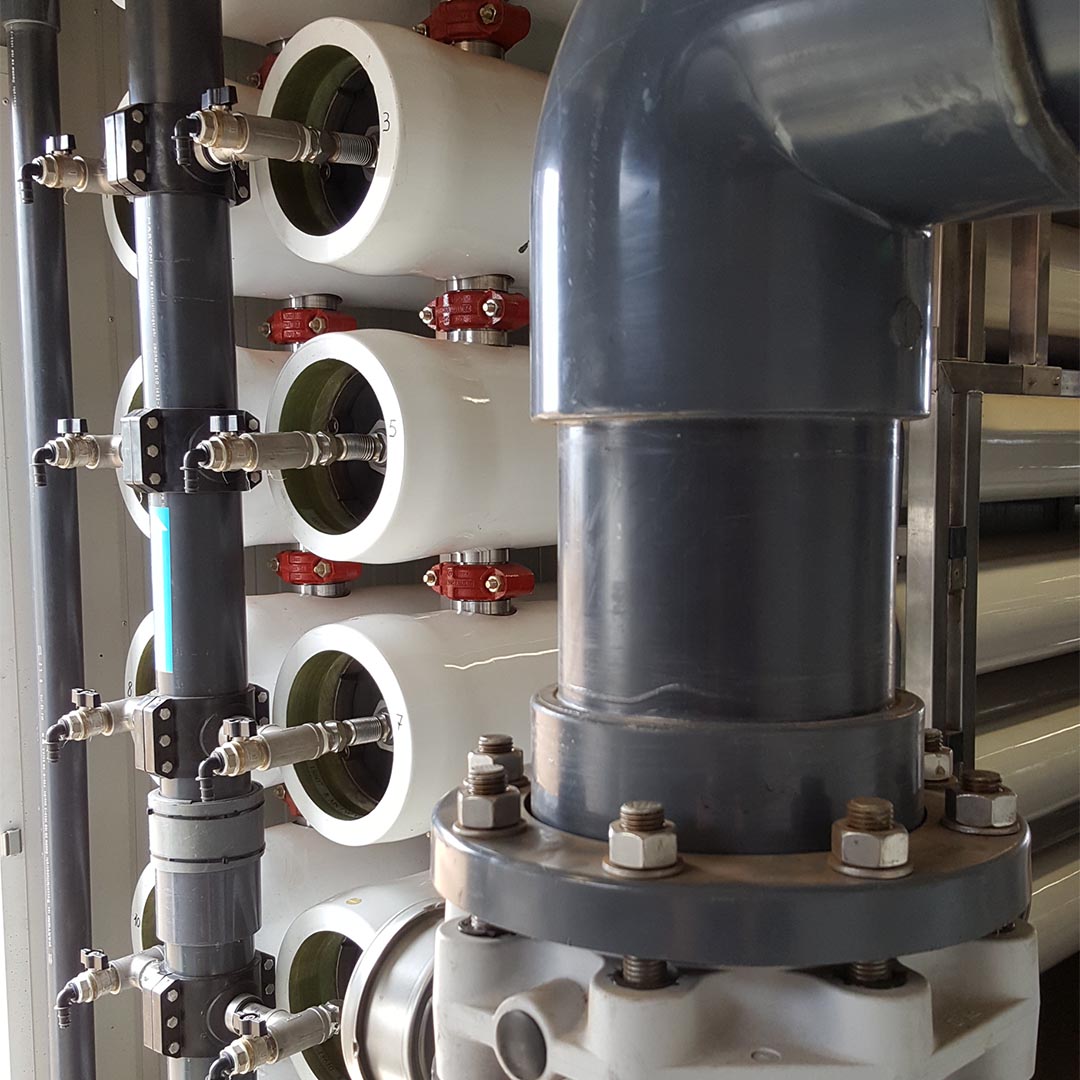
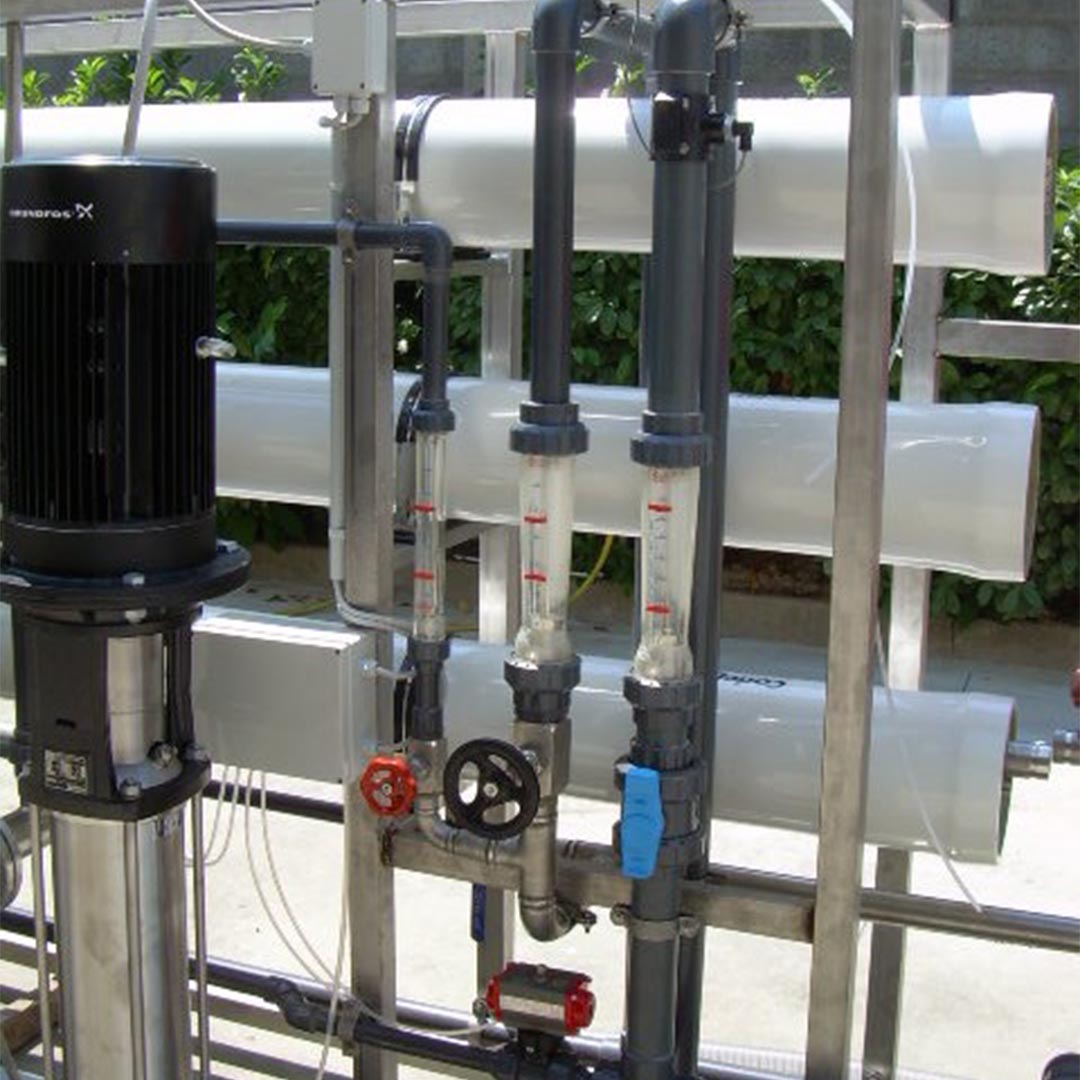
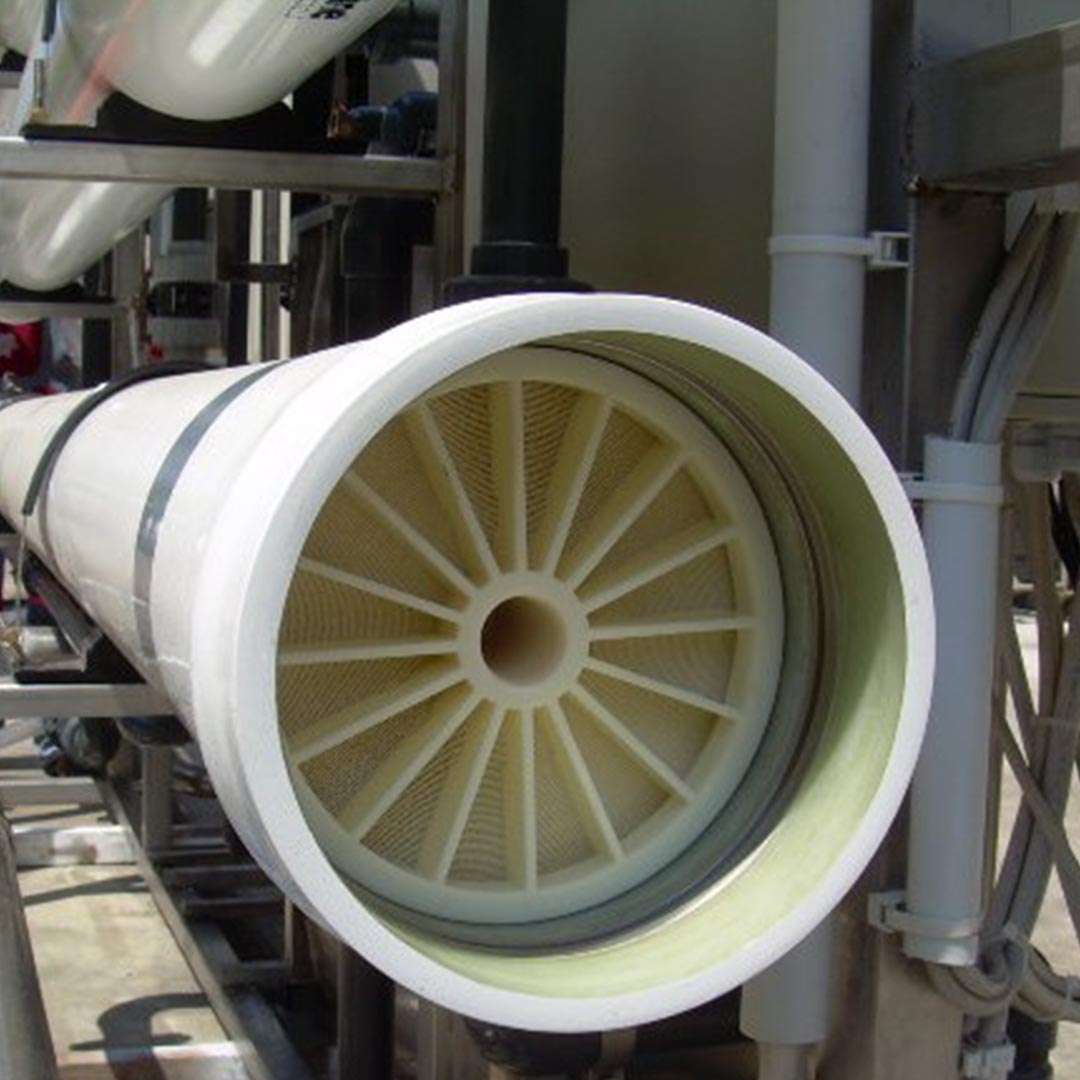
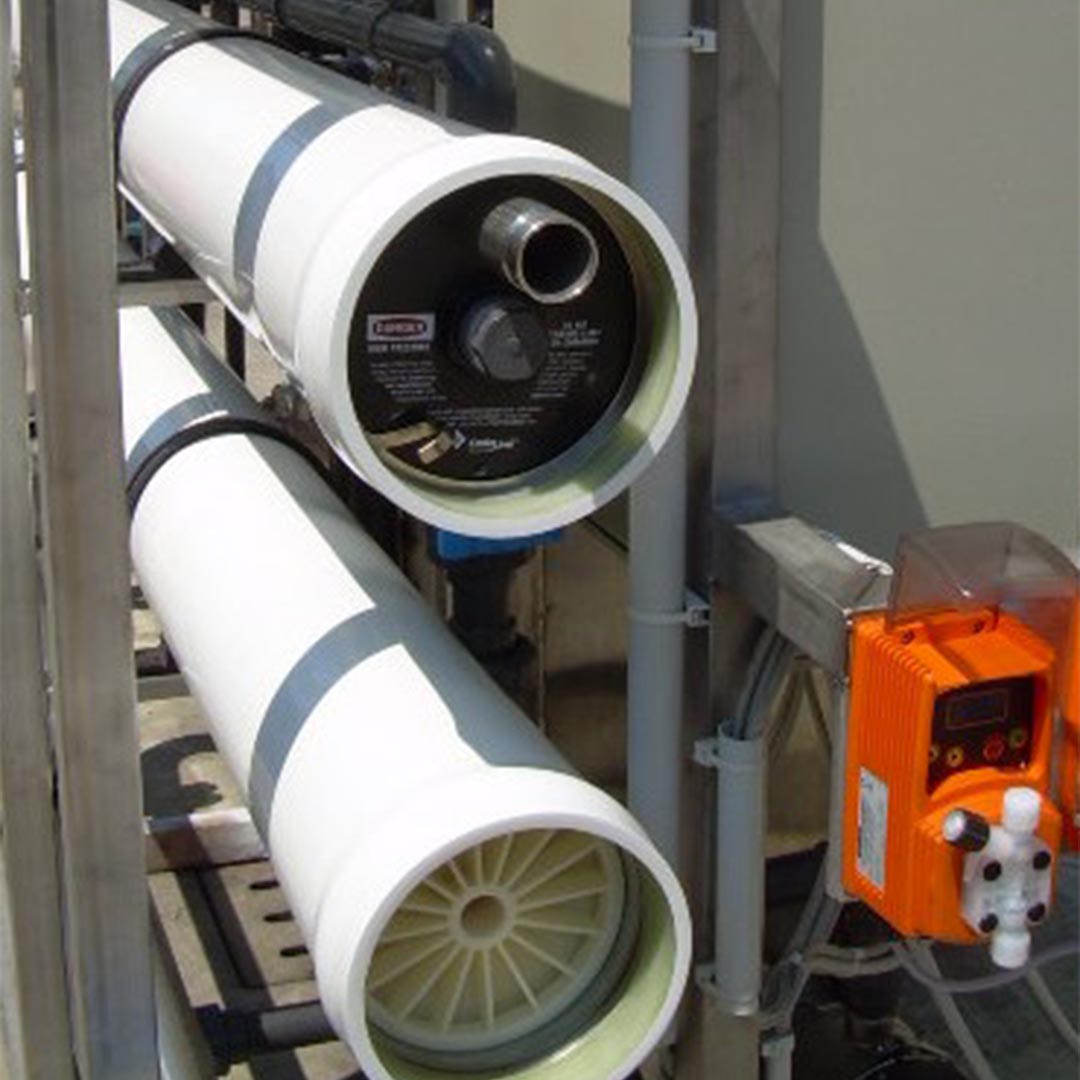
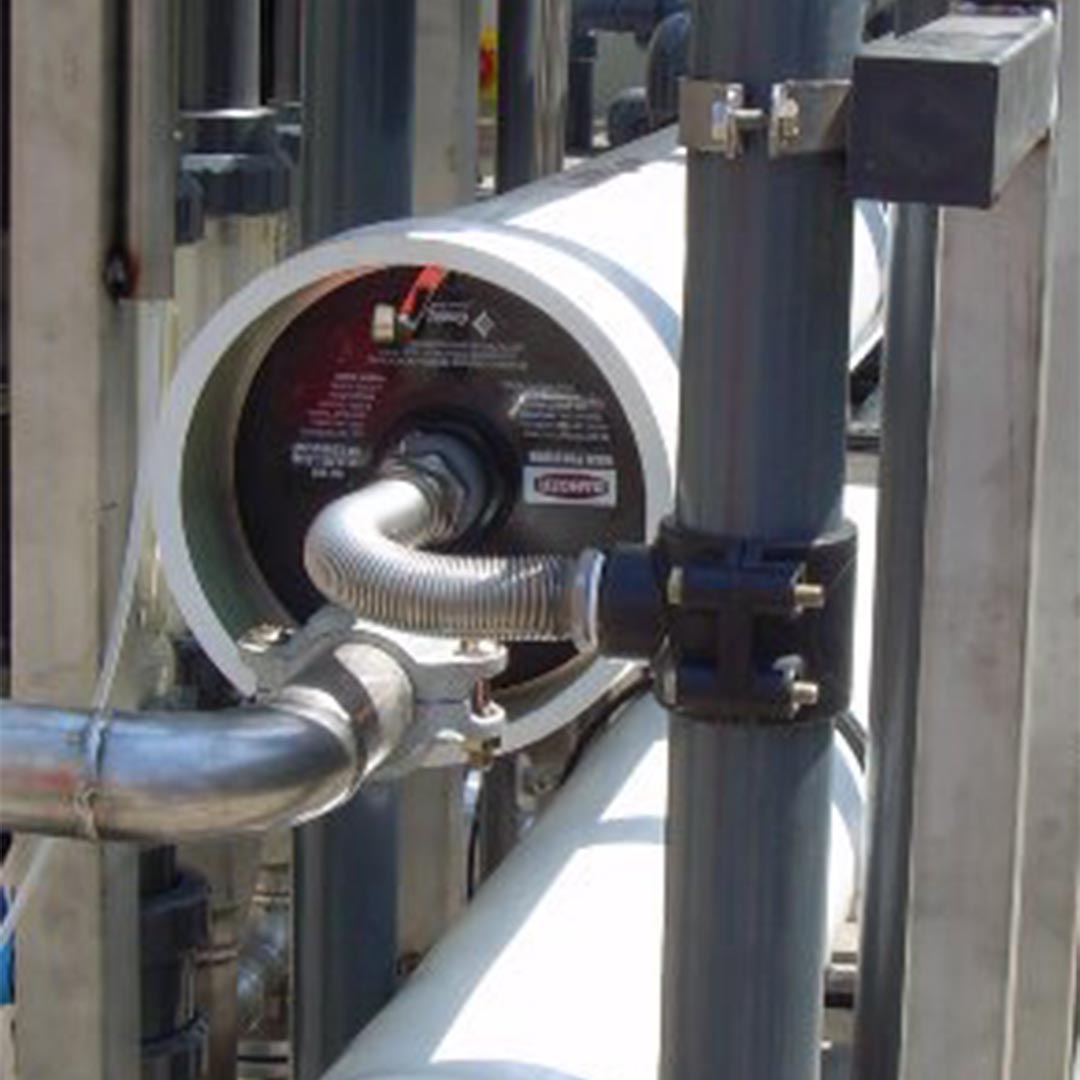
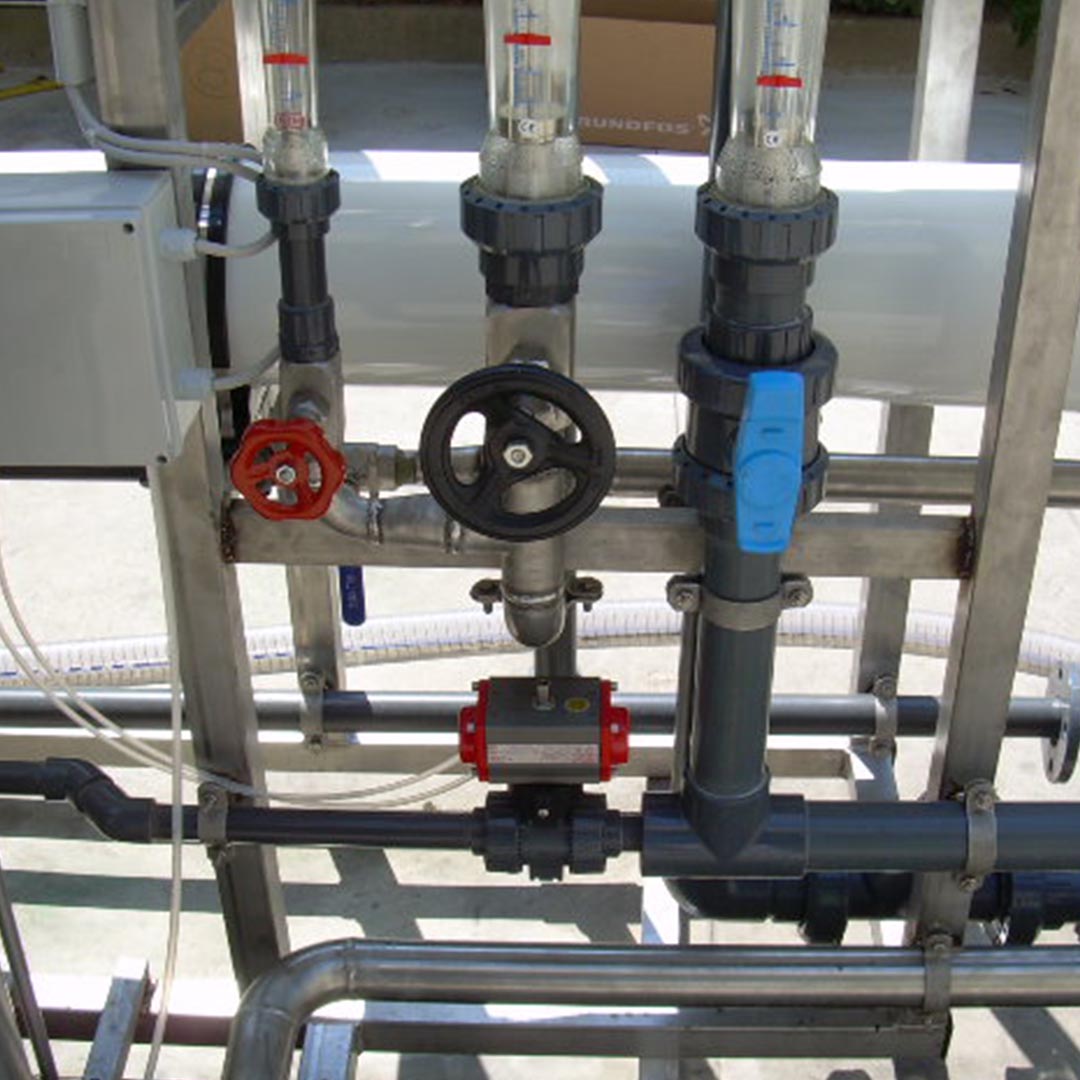
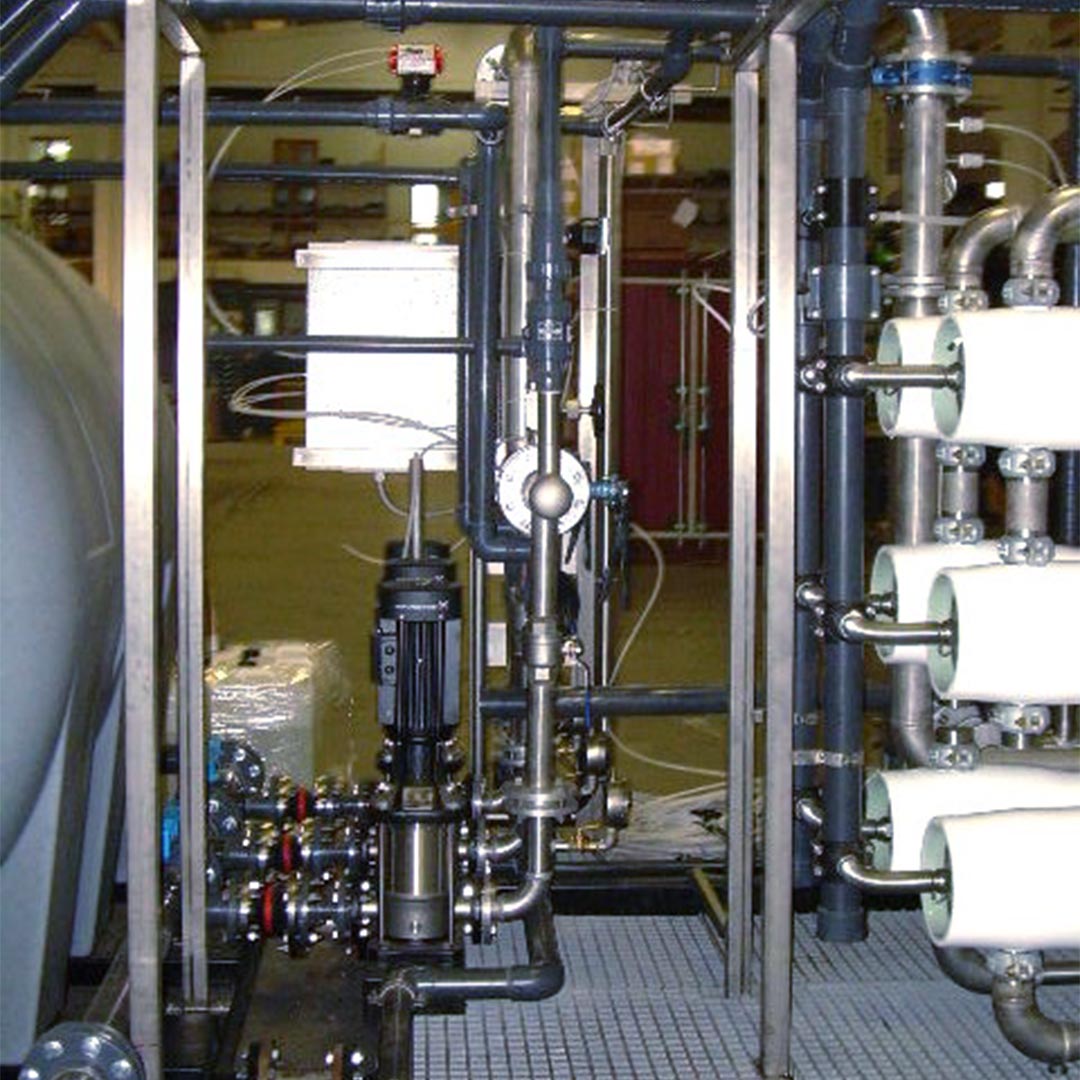
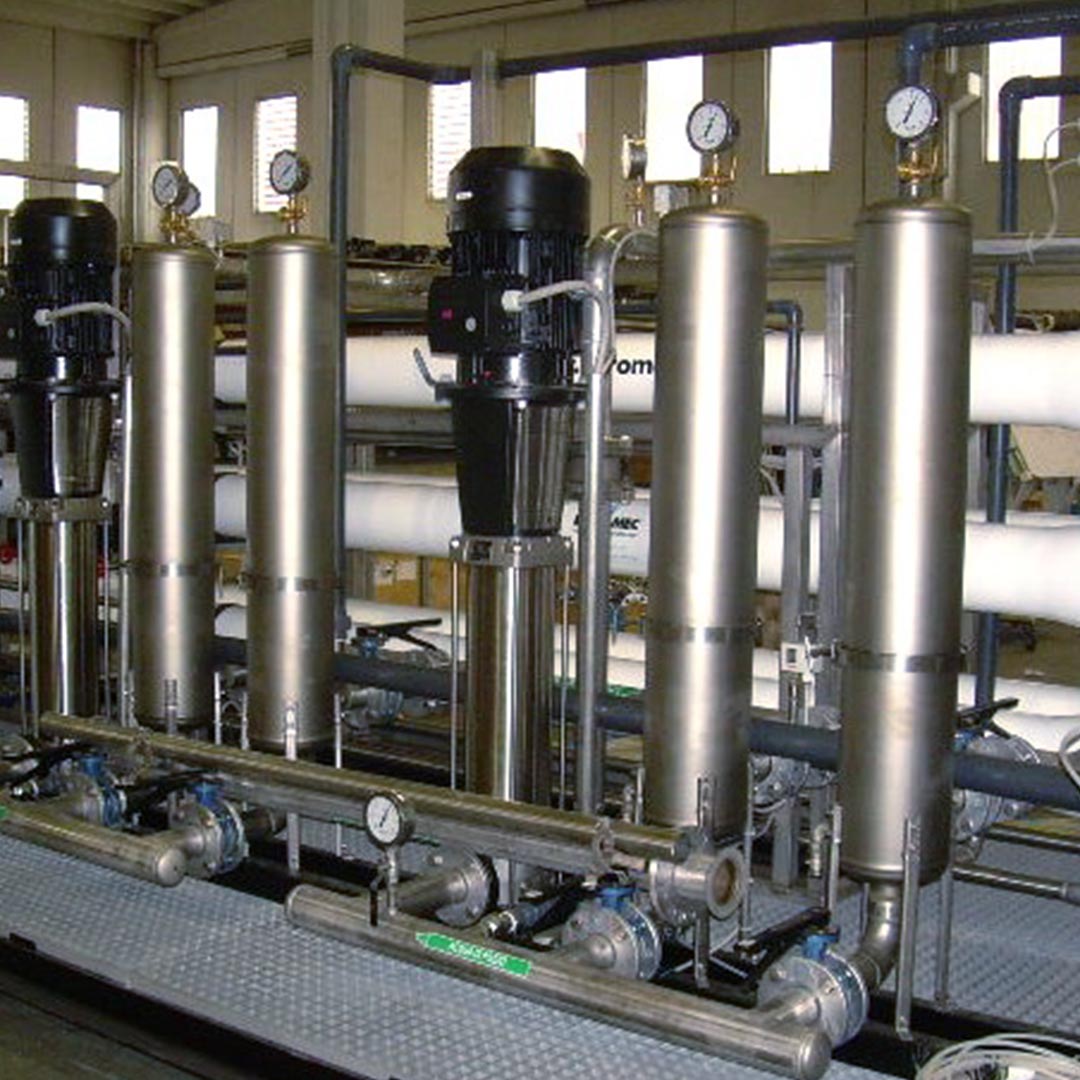
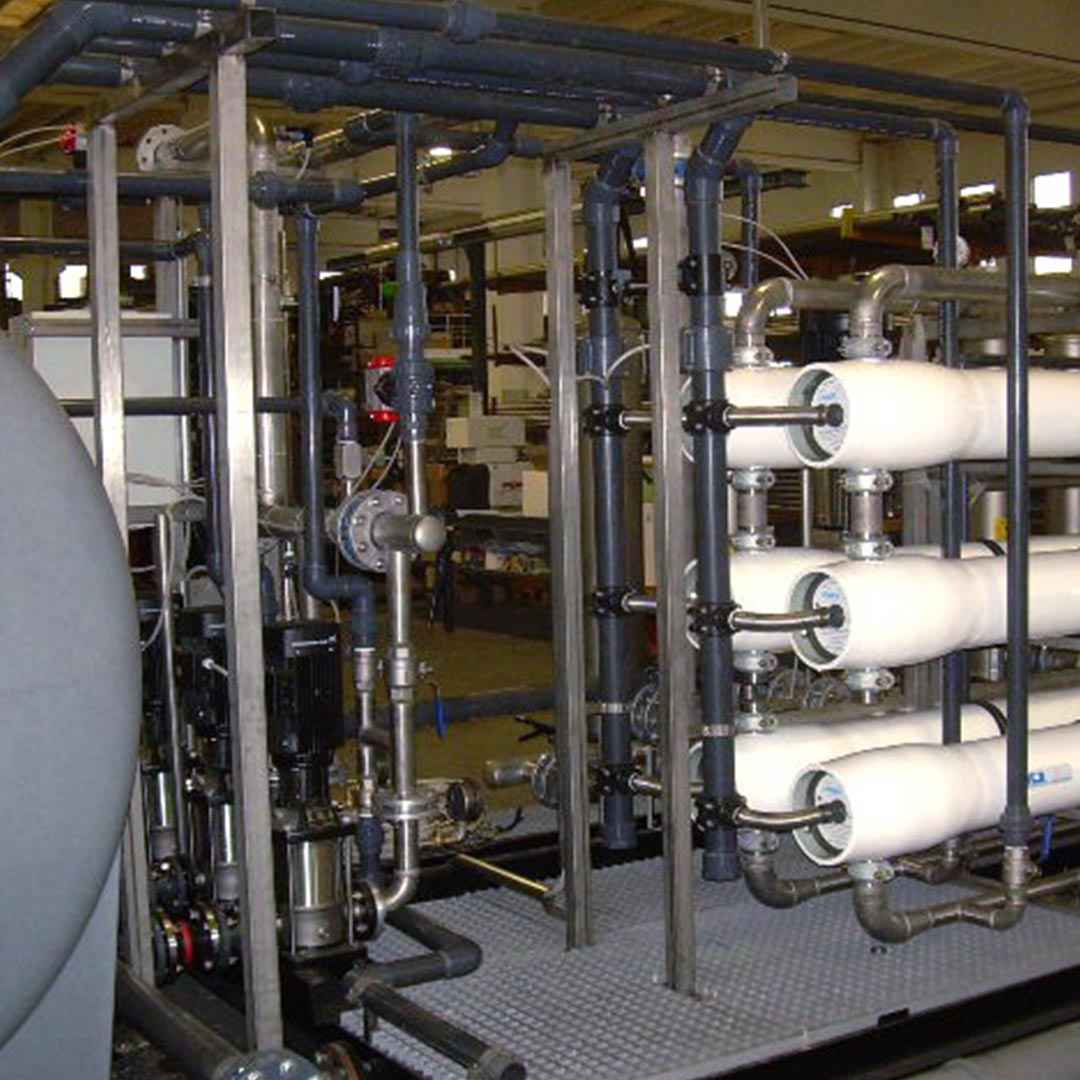
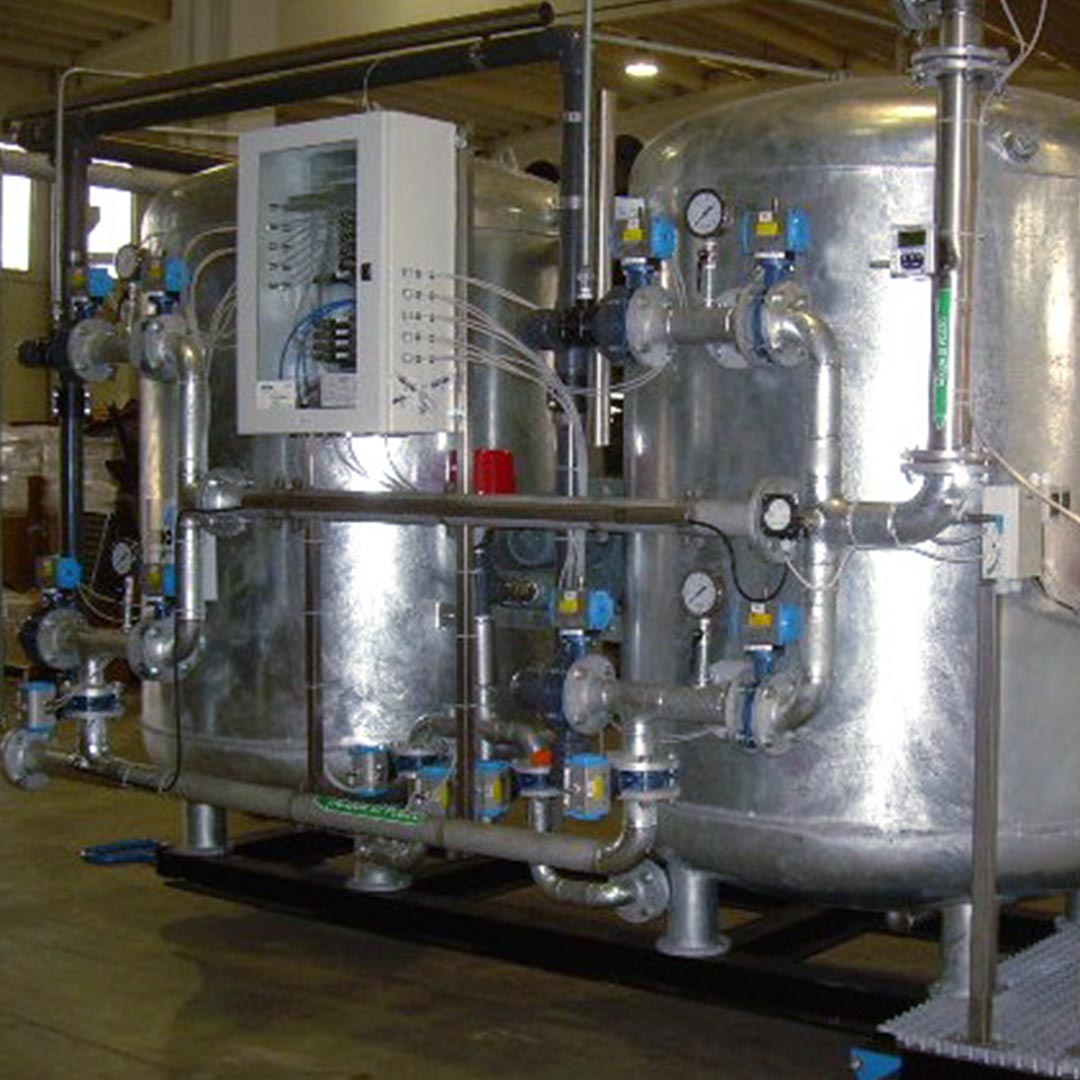
Reverse osmosis systems for high flowrates:
our standard models are mainly aimed at the purification of little or very salty water, up to the desalination of sea water:
reverse osmosis at medium/high pressure for flowrates up to 5 cubic meters/hour, with or without pretreatment
reverse osmosis at medium/high pressure for flowrates up to 7 cubic meters/hour, with or without pretreatment
reverse osmosis at medium/high pressure for flowrates up to 9 cubic meters/hour, with or without pretreatment
reverse osmosis at medium/high pressure for flowrates up to 20 cubic meters/hour, with or without pretreatmenti
A particularly complex sector, because very variable, is wastewater treatment.
In the last 8 years, H2ORO has specialized in responding to an increasingly emerging need: the efficient treatment of livestock wastewater (“livestock manure“) and biogas/biomethane digestate, developing a technologically advanced but compact and reliable solution that returns to our land clean water and nutrients.
It is the H2-VOLAZ system, modular on several sizes or production lines:
for 100 cubic meters/day of manure/digestate
for 200 cubic meters/day of manure/digestate
for 300 cubic meters/day of manure/digestate
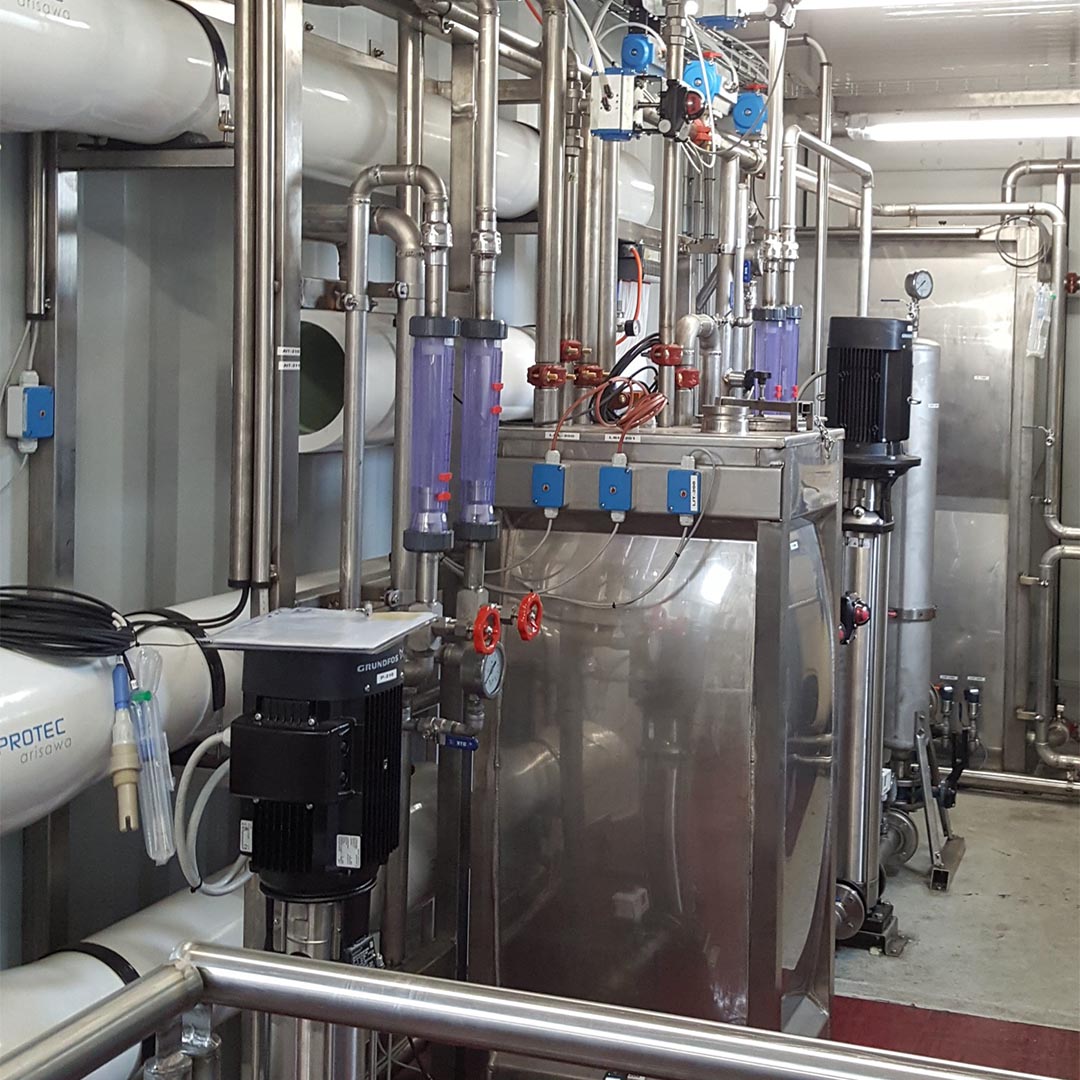
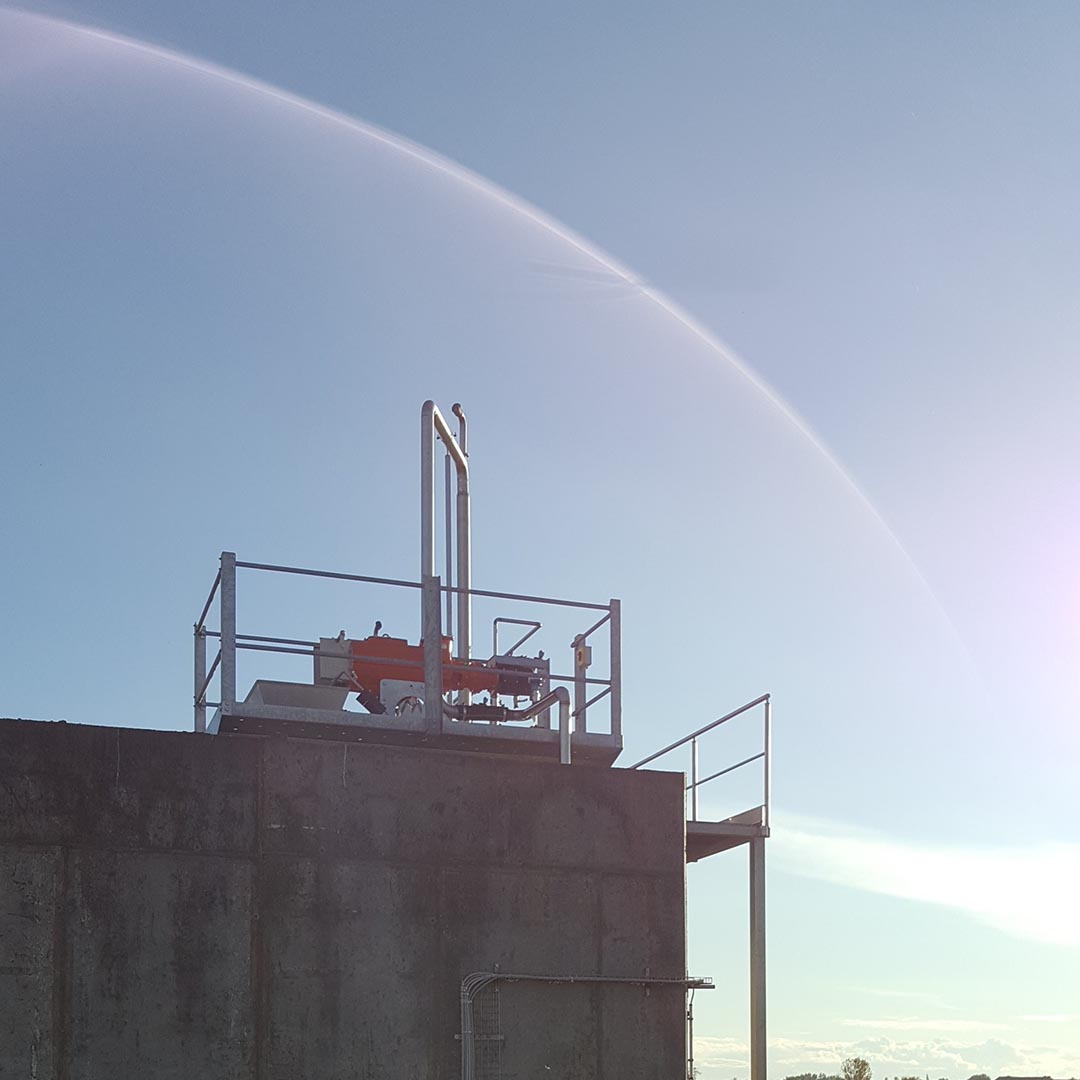
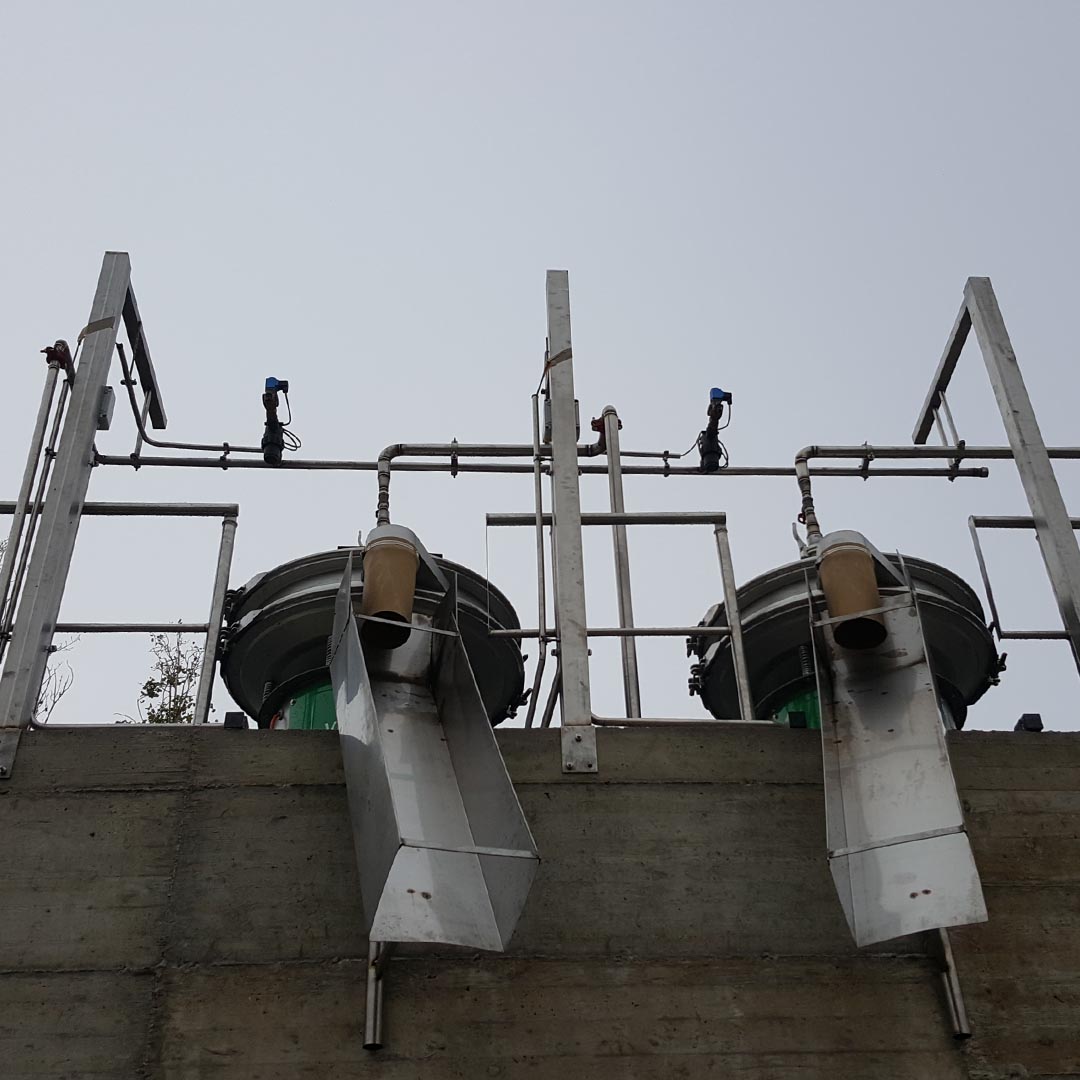
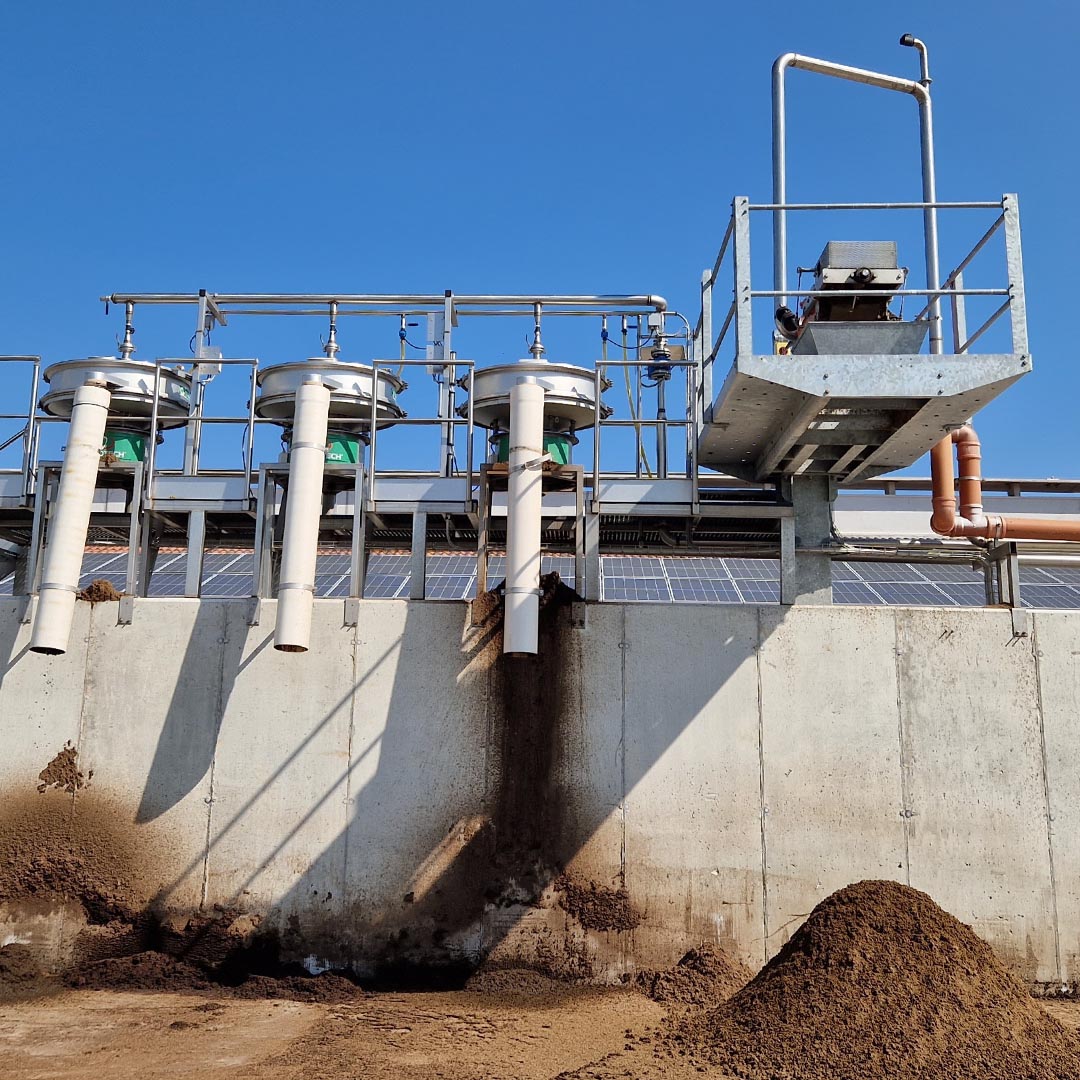
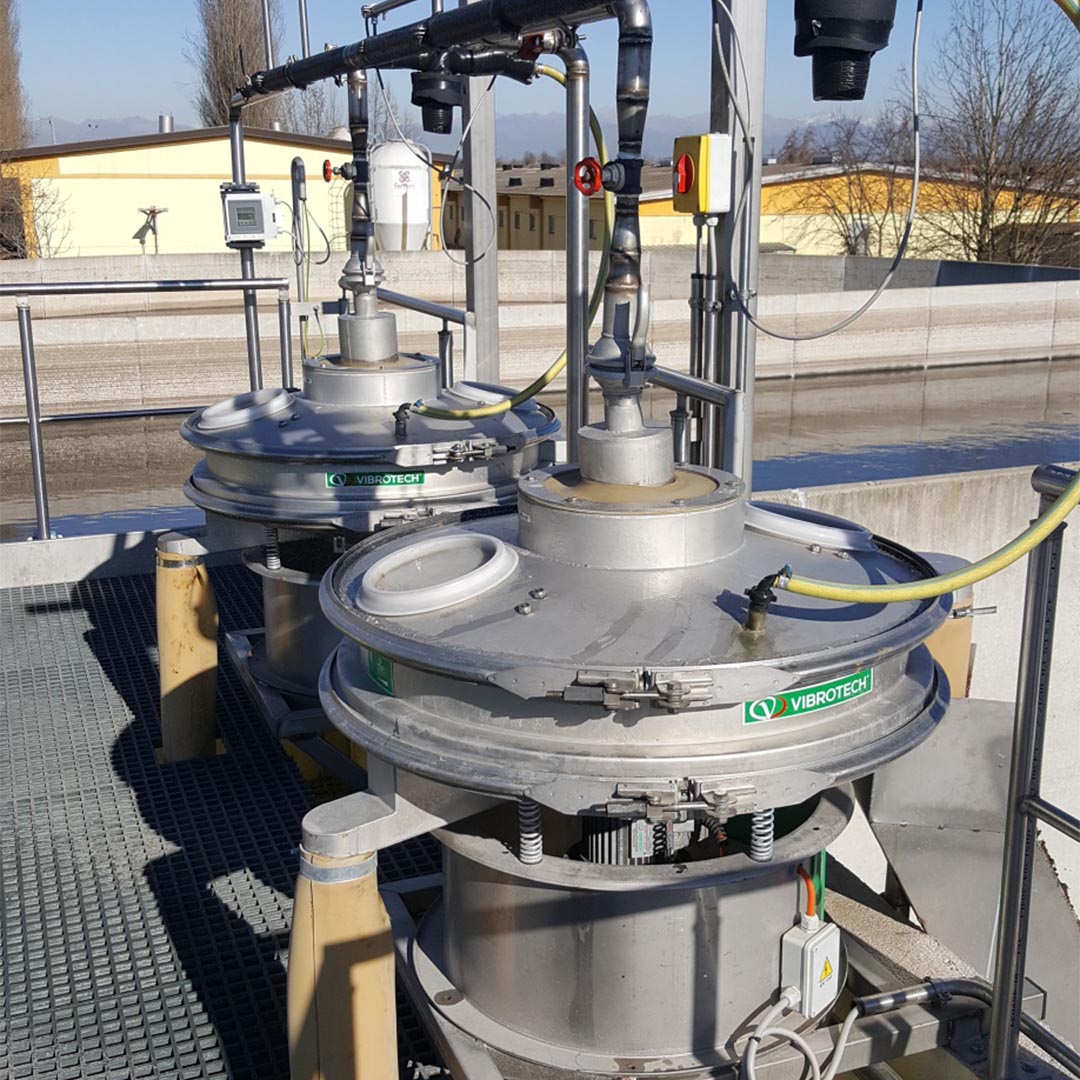
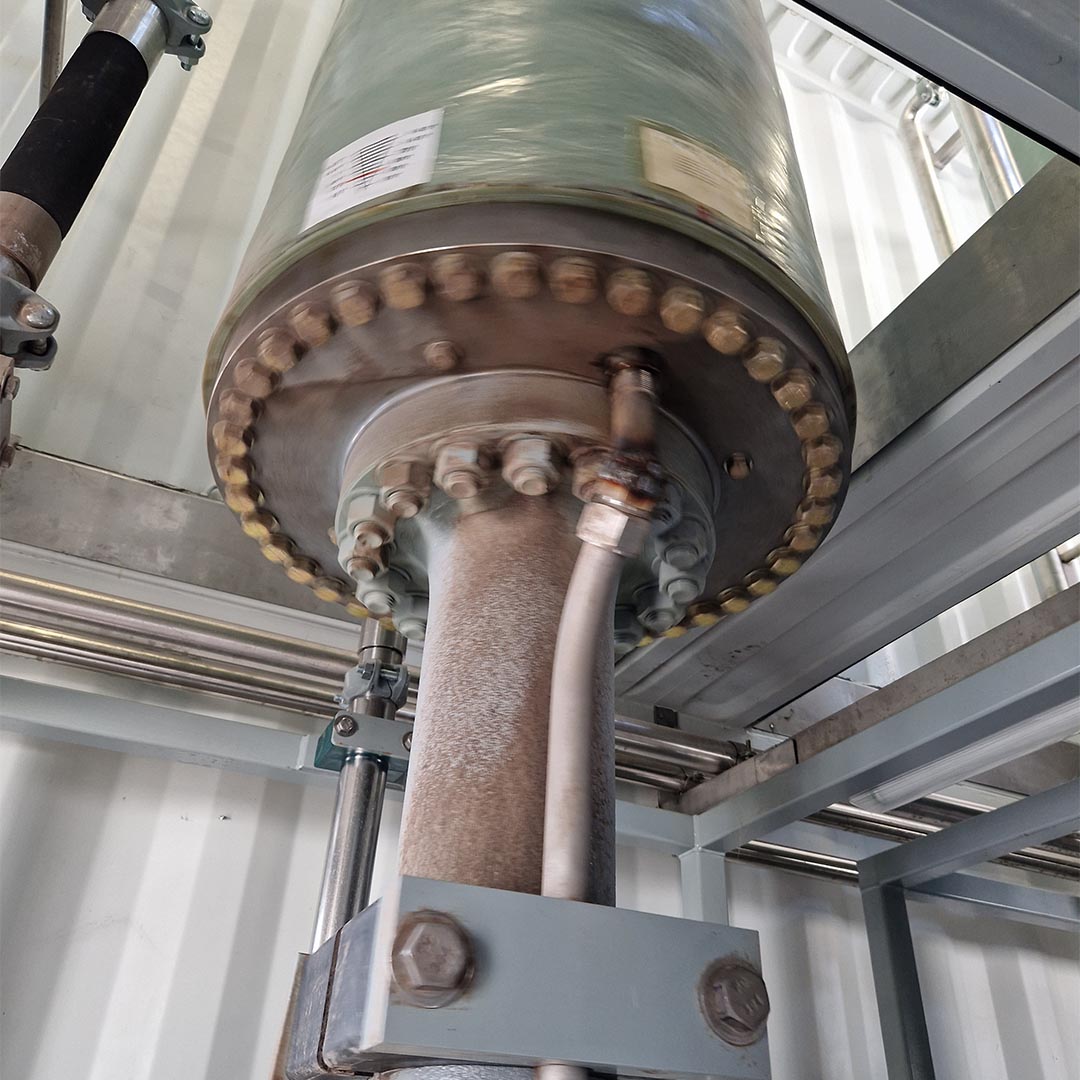
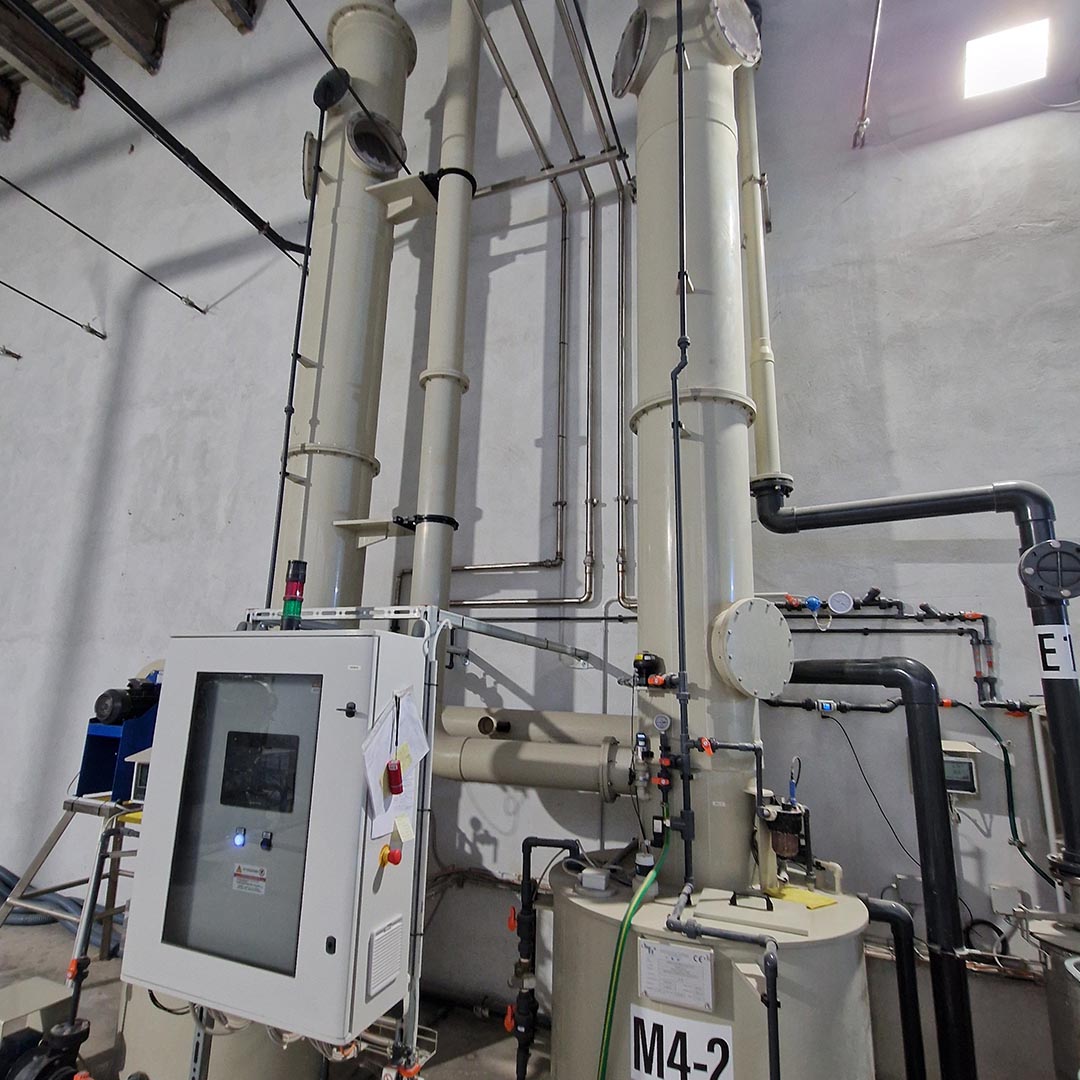
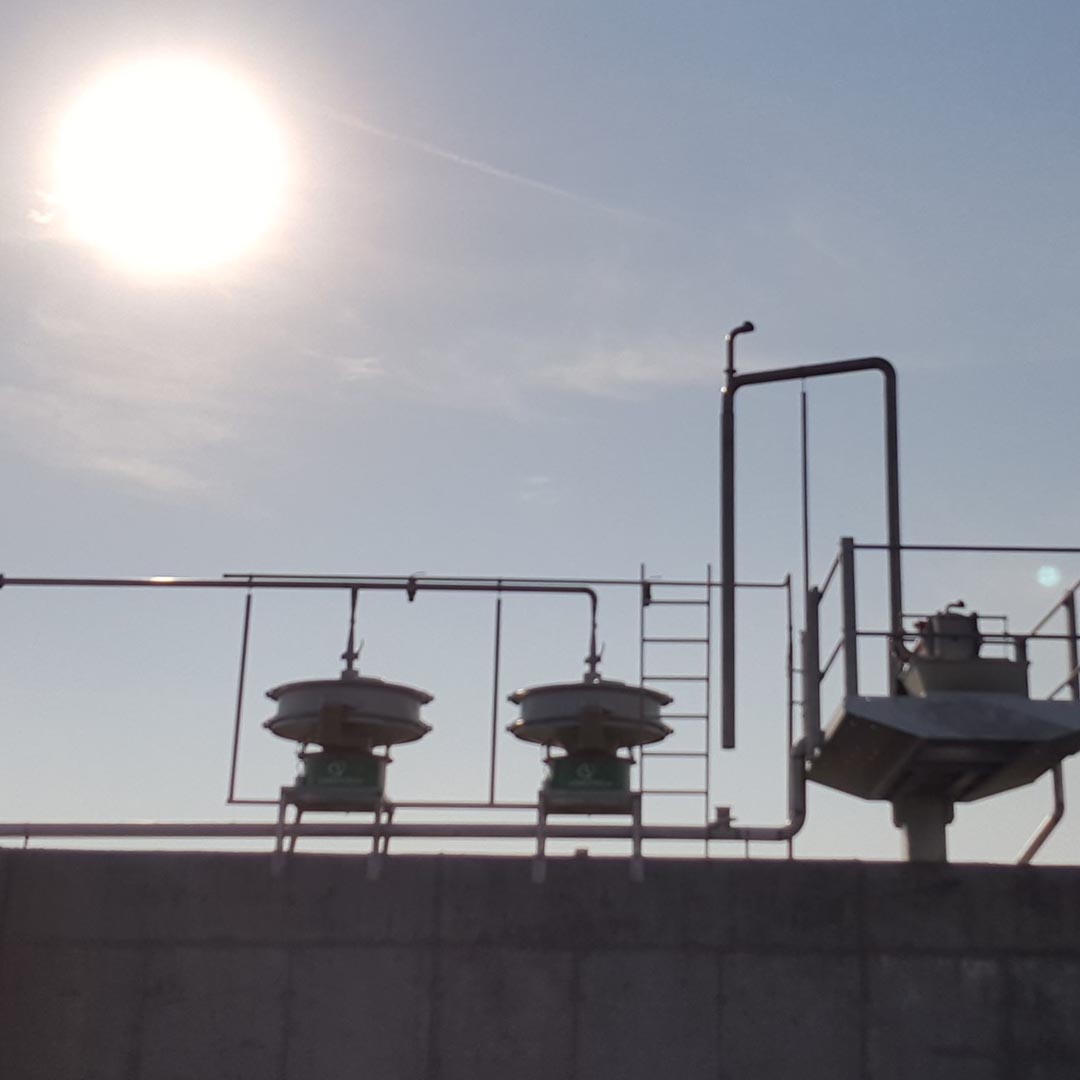
which consists of an adequate manure pretreatment + a special 3-stage FILTRATION COMBINATION of reverse osmosis with vibrating and wound spiral membranes. The basic scheme of the H2-VOLAZ process is illustrated HERE. It:
- is adaptable to changes in feed
- treats high dry matter and nitrogen contents
- is modular, compact and automatic
- returns clean water within the discharge limits in surface water body (All. 5, Tab. 3, Part III D.Lgs. 152/2006), then reusable
- recovers valuable nutrients in compliance with the most advanced regulations and with a view to a sustainable economy (UN Sustainable Development Goals for 2030)
- increases environmental welfare by reducing pollutant emissions and water consumption
- reduces the volume of wastewaters to be managed by the Company, with considerable savings in transport and storage
- ensures energy savings and easy maintenance
- is already prefabricated in the workshop, operating in 2 weeks and controllable remotely (Industry 4.0)
- the production of an organic or mineral fertilizer (conventional or biological) downstream of the basic treatment, as final refinement in fertilizers pursuant to D. Lgs. n. 75/2010 and the new European legislation EU Fertilising Products Regulation 2019/1009;
- the agronomic use and/or placing on the market of the fertilisers produced, replacing synthetic chemical fertilisers as a response to the CLOSURE OF THE NITROGEN BALANCE and to the compliance with the Nitrates Directive (91/676/EEC) for the agricultural holding, which can therefore maintain or expand its production.
H2ORO is a distributor of New Logic’s unique vibratory RO membrane filtration used to treat digester effluent to recover water & nutrients and remove Nitrogen

The problem then turns into opportunities for water recovery and enhancement – as fertilizers for plants and soil – of nutrients (nitrogen, phosphorus, potassium, sulfur) already present in the wastewater, which, once processed by the H2-VOLAZ system, can then be used to replace chemical fertilizers, increasingly subject to the variable costs of the market, given that Italy is forced to import most of them, and in some cases also classified as critical materials, i.e. at risk of lack in the short-medium term for the European Union (see phosphorus).